

Most weekends, I catch myself staring at an empty calendar and wondering if I’ve quietly become a recluse. Is this a personality flaw? A social failing? Or, as I’ve come to understand over eighteen years on the mat, was this always a necessary, intentional evolution?
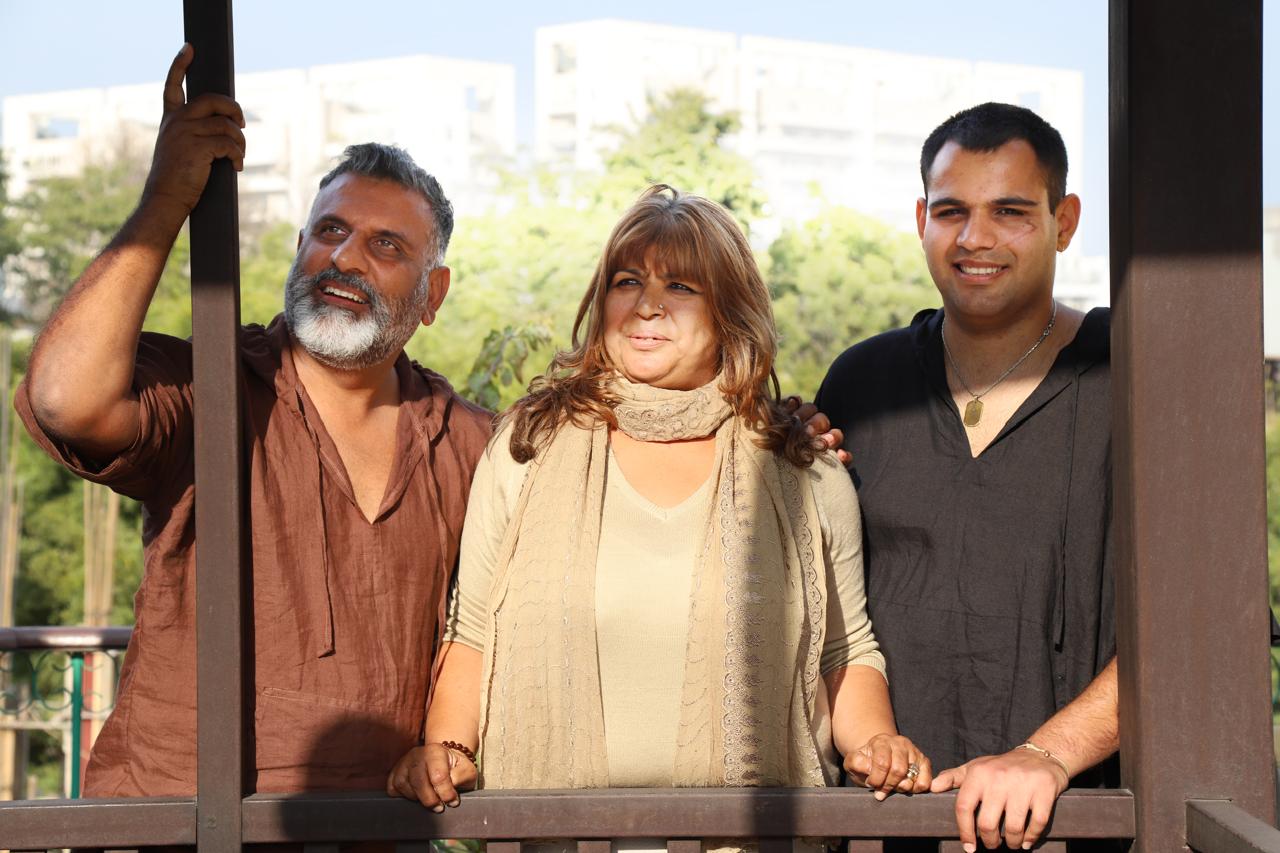
The honest answer is both simple and complicated: yes, I’ve retreated. What began as a genuine commitment to discipline and a desire to build a real routine slowly opened a chasm between me and the social circle I once called home. To be clear, my wife and my son aren’t on the other side of that gap — they’re deeply aligned with this path. My son is a yoga instructor himself now, out on the road teaching for most of the year, and he understands the quiet protocols and internal negotiations this life demands better than almost anyone I know.
The withdrawal didn’t happen overnight. It started small — declining a “mandatory” birthday dinner, skipping a Sunday brunch I used to never miss. In my old circle, every gathering ran on the same unspoken formula: wine first, food second, everything else a distant third. Notice the order. The alcohol and the plates on the table were the actual point; the gossip, the banter, the good-natured leg-pulling were just what filled the silence between refills. Genuine connection — the kind of exchange that actually nourishes you — rarely got a chance to surface. And on the rare occasion it tried, it got drowned out fast, buried under blaring speakers and the metallic clatter of a packed restaurant doing its best impression of intimacy.
That was the template for everything — kids’ birthday parties, cousins’ weddings, casual get-togethers that were never actually casual. Loud music, nonstop chatter, drinks that somehow left people more bitter than better by the end of the night.
The lifestyle costs followed close behind. Late nights turned into groggy, wasted mornings. My Sadhana — the practice that had become the one non-negotiable anchor of my day — kept getting shoved aside or rushed through. Week after week, I noticed I was seeing the same faces, hearing the same recycled stories, watching the same exaggerated claims about how great everyone’s life was going. It started to feel like a play where the actors had forgotten their lines but kept performing anyway, out of habit, because nobody had the nerve to walk offstage. Whatever happiness quotient the evening was supposed to deliver had evaporated long before dessert.
Here’s a question worth sitting with: has the texture of our social lives actually changed over the last two decades, or have we just gotten better at performing it? In fast-paced cities, we’ve mastered the choreography of affection — the hug, the air-kiss, the photo posted for the world to see how much fun we’re having. But underneath all of it sits a quiet, persistent melancholy. We’re in the same room, and yet we’re rarely actually with each other.
That was the moment the shift started. As I returned to my mat with fresh devotion, I began to recognize these patterns for what they were — not just social fatigue, but real biological and mental alarms. My body and mind were reacting to those rooms the way they’d react to something toxic, because in a very real sense, they were.
As I started traveling more to study movement and mindfulness, the pull toward this new life became almost intoxicating. I said no to more weekends. A different kind of community started forming around me — not exclusively “yoga people,” but anyone genuinely trying to take charge of their own wellbeing instead of just performing it for an audience. People done with things that quietly restrict their peace.
The Yoga Lifestyle vs. the Social Lifestyle
Today, the contrast is stark when I actually lay it side by side. The social lifestyle I left behind ran on external stimulation — noise, alcohol, packed schedules, constant pinging notifications, group chats that exist mostly to remind you they exist. The yoga lifestyle runs on rhythm instead: waking before the city does, breath before screens, movement before obligation. My Din-Charya — my daily routine — has become the scaffolding of my life in a way no social calendar ever was. I’m not just moving better physically; I’m moving better emotionally and mentally too, and that shows up in ways a dinner invite never could.
I get asked often if I’m happy. It’s a loaded question. I wouldn’t call what I have “overly optimistic” happiness — that quick, high-voltage buzz that follows a big night out and fades by 9 a.m. I am, honestly, lonely sometimes. But I’m at peace, and those two things can coexist far more comfortably than people assume.
Some will say these self-imposed boundaries are too rigid, that I’m missing out. Maybe. But they’ve become a shield I’m grateful for. I deliberately teach on weekend mornings now — partly as service, partly because it’s an airtight excuse against late-night invitations. It breaks the cycle of reciprocal hosting I no longer have the appetite for, especially with people who aren’t anywhere near appreciating why this shift matters to me. We simply don’t vibrate at the same frequency anymore, and forcing it helps no one.
Choosing my Sadhana over social obligation means I’ve had to care less about other people’s version of happiness. That doesn’t make me a misanthrope. I haven’t abandoned my duties — I still show up fully when someone I love genuinely needs me. I’ve just stopped showing up out of habit or guilt.
My old circle of wine-and-gossip friends has slowly been replaced by practitioners who understand the need for space. The Bhagavad Gita frames yoga as the discipline of detaching from what no longer serves your peace. Stepping back from unnecessary noise isn’t arrogance — it’s just clearing space for something better to take root.
There’s a real fear that this path turns you into a social outcast. In my experience, that fear rarely matches reality — it’s just the old pattern fighting for its life. It’s a natural fear to have. This kind of progression isn’t for the indisciplined, which might be exactly why so many people stop at the surface, treating yoga as a career move rather than a practice.
For me, the true turning point was an idiopathic seizure in 2019. That single moment forced me past the superficial version of this practice. After the diagnosis, I started a lifetime AED protocol, and suddenly a calm, supportive environment stopped being a preference — it became a biological necessity. I genuinely cannot afford unhealthy stress or toxic company anymore. My brain needs a nurturing ecosystem just to function.
I’ve walked away from a lot, and it’s still an ongoing process — not always comfortable, rarely “happy” in the traditional sense, but far more sustainable than what came before.
I’m lonely, yes. But for the first time in eighteen years, I’m finally quiet enough to hear myself think.
And that, I’ve discovered, is where the real life begins.